SMAS Facelift in Seoul, Korea
Gangnam Etonne Plastic Surgery
SMAS Facelift in Seoul, Korea
Restore Youthful Facial Structure at Gangnam ETONNE Plastic Surgery
As facial aging progresses, the cheeks may begin to descend, nasolabial folds can deepen, and jowls may develop along the jawline. These changes are caused not only by loose skin but also by weakening and displacement of the deeper supportive tissues beneath the skin. Tightening the skin alone may therefore provide limited or less natural-looking improvement.
An SMAS Facelift addresses both the skin and the deeper structural layer of the face to create more comprehensive rejuvenation. At Gangnam ETONNE Plastic Surgery in Seoul, the procedure is carefully customized to lift sagging tissues, redefine the jawline, and preserve each patient’s natural facial expressions and unique identity.
What Is an SMAS Facelift?
SMAS stands for the superficial musculoaponeurotic system, a supportive layer of tissue located beneath the facial skin. This layer connects with the facial muscles and plays an important role in maintaining the position and shape of the cheeks, lower face, and jawline.
During an SMAS Facelift, the surgeon lifts and repositions this deeper layer rather than tightening only the outer skin. Excess skin may then be carefully adjusted without placing excessive tension on the surface.
An SMAS Facelift can effectively improve:
- Sagging cheeks
- Deep nasolabial folds
- Jowls along the jawline
- Marionette lines
- Loose lower-face skin
- Reduced jawline definition
- Early to moderate neck laxity
- A tired or aged facial appearance
By repositioning the deeper supportive tissues, the procedure can create smoother facial contours and more natural-looking rejuvenation.
How Is an SMAS Facelift Different From a Skin-Only Facelift?
A skin-only facelift primarily removes and tightens loose facial skin. Although this may temporarily improve surface laxity, excessive tension on the skin can sometimes create a pulled appearance or less durable results.
An SMAS Facelift works beneath the skin to restore the deeper facial support structure. This allows the skin to be redraped more naturally after the underlying tissues have been repositioned.
Compared with a skin-only facelift, an SMAS Facelift may provide:
- More structural facial support
- Improved lifting of the cheeks and lower face
- Better jawline definition
- Reduced tension on the skin
- More natural facial movement
- Softer and more balanced contours
- Longer-lasting rejuvenation
- Less risk of an overly tight appearance
The most suitable lifting technique depends on the patient’s facial anatomy, degree of sagging, skin elasticity, and aesthetic goals.
Benefits of an SMAS Facelift
An SMAS Facelift can improve multiple signs of facial aging while maintaining natural proportions and expressions.
Benefits may include:
- Lifted and more youthful-looking cheeks
- Softer nasolabial folds
- Reduced appearance of jowls
- Improved lower-face definition
- A cleaner and more defined jawline
- Smoother facial contours
- Natural facial movement and expression
- Reduced skin tension
- Balanced and long-lasting rejuvenation
The goal is not to change the patient’s facial identity, but to restore a firmer, refreshed, and naturally youthful appearance.
Which Areas Can Be Treated?
An SMAS Facelift primarily focuses on the middle and lower areas of the face. The exact treatment area is customized according to the patient’s aging pattern and facial structure.
Common treatment areas include:
- Lower cheeks
- Nasolabial folds
- Corners of the mouth
- Marionette lines
- Jowls
- Jawline
- Lower face
- Upper neck
When neck laxity is also present, the procedure may be combined with a neck lift or additional neck contouring for improved balance between the face and neck.
Can an SMAS Facelift Be Combined With Other Procedures?
Facial aging often affects the eyes, cheeks, jawline, and neck at the same time. Depending on the patient’s concerns, an SMAS Facelift may be combined with additional procedures for more comprehensive rejuvenation.
Combination procedures may include:
- Neck lift
- Upper eyelid surgery
- Lower eyelid surgery
- Under-eye fat repositioning
- Brow lift
- Facial fat grafting
- Chin or jawline contouring
- Skin resurfacing treatments
Combining procedures can help create harmony between the upper, middle, and lower face while allowing the patient to complete one coordinated recovery period.
Who Is a Good Candidate?
An SMAS Facelift may be suitable for individuals who experience:
- Mild to advanced cheek sagging
- Deepening nasolabial folds
- Jowls along the jawline
- Loose skin around the lower face
- Reduced jawline definition
- Early or moderate neck laxity
- Limited improvement from non-surgical treatments
- A desire for natural-looking structural rejuvenation
Many patients in their 40s through 70s consider this procedure. However, candidacy depends more on facial anatomy, skin elasticity, overall health, and the degree of tissue sagging than age alone.
Personalized Surgical Planning at ETONNE Plastic Surgery
At ETONNE Plastic Surgery, every SMAS Facelift begins with a detailed analysis of the patient’s facial structure and aging pattern. The surgical team evaluates both visible skin changes and the condition of the deeper supportive tissues.
The evaluation may include:
- Cheek position
- Depth of nasolabial folds
- Degree of jowling
- Jawline definition
- Skin elasticity
- SMAS condition and support
- Facial ligament laxity
- Neck condition
- Facial symmetry
- Previous cosmetic procedures
- Individual aesthetic goals
Based on this assessment, the surgeon determines the appropriate lifting direction, degree of SMAS repositioning, and skin adjustment. ETONNE’s anti-aging approach emphasizes structural correction while preserving natural facial movement, balance, and personal identity.
Recovery After an SMAS Facelift
Recovery varies depending on the extent of surgery and whether additional procedures are performed. Temporary swelling, bruising, tightness, numbness, and mild discomfort may occur during the early healing period.
General recovery timeline:
- First several days: Swelling, bruising, tightness, and mild discomfort may be noticeable around the cheeks, jawline, and neck.
- First week: Facial swelling is often most prominent, and patients should focus on rest and postoperative care.
- Approximately 1–2 weeks: Many patients can return to light daily activities, depending on their healing progress.
- Approximately 2–4 weeks: Visible swelling and bruising gradually improve, and the facial contours become more defined.
- Following months: Residual swelling continues to decrease as the tissues settle, incisions soften, and the final results become clearer.
Following the surgeon’s postoperative instructions, attending scheduled follow-up appointments, and avoiding strenuous activity during the early recovery period can help support proper healing.
Why International Patients Choose ETONNE Plastic Surgery
Located in Seoul’s Gangnam district, ETONNE Plastic Surgery provides customized facial rejuvenation procedures for both Korean and international patients.
International patients appreciate the clinic for:
- Detailed facial analysis
- Personalized surgical planning
- Advanced SMAS lifting techniques
- Natural-looking rejuvenation goals
- Rigorous patient safety protocols
- Comprehensive postoperative care
- English-speaking support for overseas patients
- Coordinated consultation and follow-up services
By addressing the deeper supportive layer of the face, ETONNE aims to create balanced and refined results that enhance the patient’s natural appearance without producing an obvious surgical look.
Restore Natural Facial Definition in Seoul
An SMAS Facelift is a comprehensive option for patients who want to improve sagging cheeks, deep facial folds, jowls, and reduced jawline definition. By lifting the deeper facial support structures instead of tightening only the skin, the procedure can create smoother, firmer, and more natural-looking facial contours.
At Gangnam ETONNE Plastic Surgery, each treatment plan is individually designed to restore youthful facial structure while preserving natural expressions and the patient’s unique facial identity.
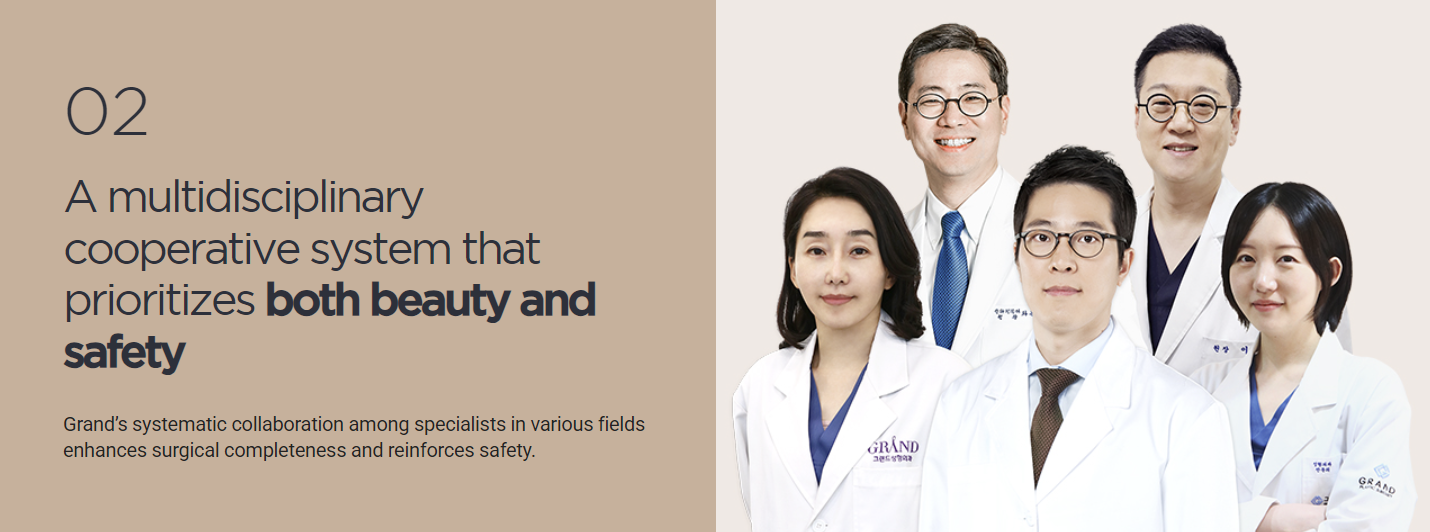
What makes Grand Special for SMAS facelift?