


Patient safety
Facility Tour: What a Safe Korean Surgery Facility Should Have
A room-by-room walk through a surgical clinic: what to look for beyond the lobby, and the questions to ask at each stop.
By the Facelift in Korea Editorial Desk · Last reviewed October 24, 2026 · How we report
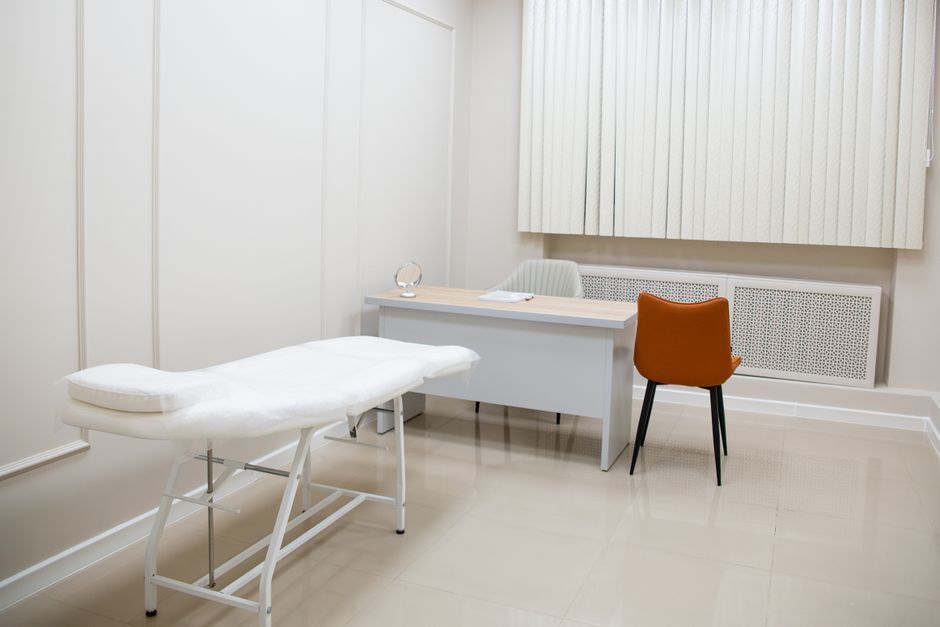
Calm, modern clinic interior with a consultation area.
The short answer
A clinic suitable for facelift surgery should have a private consultation room, proper photo documentation, a clean dedicated operating room with anesthesia monitoring, a qualified anesthesia provider, a staffed recovery area, emergency drugs and equipment, a clear plan for hospital transfer, and CCTV that patients can request. Use this virtual tour as a checklist when you visit or video-call a clinic.

The tour
Why should you look beyond the waiting room?
Many Seoul clinics have beautiful lobbies. What matters for a facelift is out of sight: the operating room, the anesthesia set-up, the recovery area and what happens if something goes wrong. This page walks through a clinic room by room, with what to look for and what to ask. If you cannot visit before booking, ask for a video walkthrough or written answers.
1. Consultation room: who will you actually see?
- A private room where you meet the operating surgeon, not only a coordinator.
- Enough time to discuss your goals, medical history and risks without sales pressure.
- An interpreter or coordinator who translates fully, including risks. See medical interpreters .
- A written plan and itemized quote naming the surgeon.
Ask: "Will the surgeon I meet today perform the whole operation?"
2. Imaging and pre-operative testing: is your health checked?
- Standardized photographs taken in consistent lighting and angles.
- Pre-operative blood tests and, where appropriate, an ECG or chest X-ray, reviewed before surgery.
- A review of medications and supplements. See what to stop before a facelift .
Ask: "Which tests do you require, and who reviews them?"
3. Operating room: is it a proper surgical environment?
- A dedicated operating room, not a converted treatment room.
- Sterile instruments, an operating table, surgical lighting and suction.
- Patient monitoring for heart rate, blood pressure, oxygen saturation and, under general anesthesia, exhaled carbon dioxide.
- One patient per room at a time.
Ask: "How many operations run at the same time, and is my surgeon assigned to only my case during my operation?"
4. Anesthesia team: who keeps you safe while you are asleep?
- An anesthesiologist or appropriately qualified anesthesia provider present for general anesthesia or deep sedation.
- Clear explanation of the type of anesthesia planned. See anesthesia options for facelift .
- Airway equipment and oxygen available in the room.
Ask: "Who administers and monitors my anesthesia, and what are their qualifications?"
5. Recovery room: who watches you as you wake up?
- A separate recovery area with monitoring equipment.
- Trained nurses who stay with patients until they are stable.
- Clear discharge criteria and written aftercare instructions in a language you understand.
- Option of an overnight stay, especially after longer or combined procedures.
6. Emergency equipment and hospital transfer: what if something goes wrong?
- A defibrillator, emergency drugs and resuscitation equipment that are checked regularly.
- Staff trained in advanced life support.
- A written agreement or established route to transfer patients to a nearby general hospital.
Ask: "Which hospital do you transfer to in an emergency, and how long does it take?"
7. CCTV in the operating room
Korean law now requires CCTV in operating rooms where patients are unconscious, with recording generally made on the patient's request. Ask how to request a recording before surgery, and how footage is stored and accessed. A clinic that answers clearly is showing transparency. Learn more on our surgeon verification page .
8. Aftercare rooms and follow-up: how are you looked after during recovery?
- A clean room for dressing changes, drain removal and stitch removal.
- A 24-hour contact number for urgent concerns, with English support if needed.
- Clear guidance on warning signs such as rapidly increasing swelling or pain. See hematoma after facelift .
- A plan for remote follow-up once you return home. See remote follow-up .
Questions to ask on your tour
- Is the operating surgeon a certified plastic surgery specialist?
- Who gives the anesthesia, and is that person present throughout?
- What monitoring is used during and after surgery?
- Where would I be transferred in an emergency?
- How do I request CCTV recording?
- Can I stay overnight if needed?
- Who do I call at night if I have a concern?
- Is the clinic registered to treat foreign patients? See registered foreign-patient clinics .
For a printable list for the surgeon, see questions to ask at a facelift consultation , and use the clinic directory to start shortlisting.
This page is general information, not medical advice. Decisions about surgery should be made with a qualified, board-certified plastic surgeon after an in-person examination.
Reader questions
Facility safety FAQs
Is it safe to have a facelift at a clinic rather than a hospital?
Many facelifts are performed safely in well-equipped clinics with proper anesthesia staff, monitoring and emergency plans. The key is the facility's equipment, staffing and transfer arrangements, not whether it is called a clinic or hospital.
Should an anesthesiologist be present for a facelift?
For general anesthesia or deep sedation, it is widely regarded as best practice to have a dedicated, qualified anesthesia provider monitoring you throughout. Ask who will be responsible. See anesthesia options.
Can I see the operating room before surgery?
Some clinics allow a brief look or provide photos or a video. If a clinic refuses to answer basic questions about its operating room, consider that a warning sign.
How do I request CCTV recording of my surgery?
Ask the clinic before your surgery date how to make a request, usually in writing, and how footage is stored and accessed. Procedures vary by clinic.
What happens if there is an emergency during surgery?
A safe clinic should have emergency drugs and equipment on site, staff trained in resuscitation and a clear arrangement to transfer you to a nearby hospital. Ask for details in advance.
Next steps
Take the checklist to every clinic
Shortlist clinics from the directory, then ask each one the same questions so the answers are comparable.
Facelift in Korea is an independent information directory. We do not perform procedures and listings are not endorsements. Content is reviewed for accuracy but is not medical advice — see our editorial policy and medical disclaimer.