


Home › Patient Guides › Facelift Scarring and Asian Skin
Patient Guides
Facelift Scarring and Asian Skin: What to Expect in Korea
By the Facelift in Korea Editorial Desk · Independent · How we report
The short answer
Quick answer: Facelift scars usually sit around the ear and in the hairline and fade well for most people. People with Asian skin may have a higher tendency to prolonged redness, darkening (post-inflammatory hyperpigmentation) or thickened scars. Careful incision placement, tension-free closure, sun protection and early scar care help. Tell your surgeon if you have a history of keloids or raised scars.

Where do facelift scars usually go?
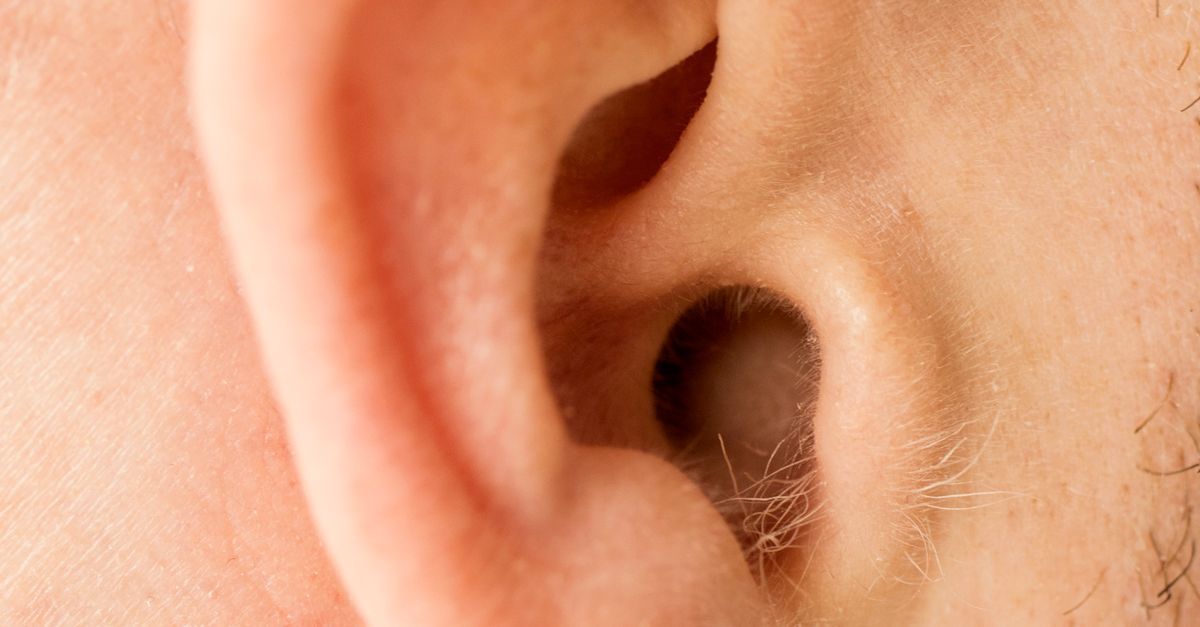
Most facelift incisions follow natural creases around the ear. A common pattern runs from the temple or sideburn area, down in front of the ear or along its inner edge, around the earlobe, and up behind the ear into or along the hairline. Short-scar techniques use a shorter path. The aim is to place scars where they are hard to notice.
One detail surgeons debate is whether to place the front incision just inside the ear, along the tragus, or in the crease in front of it. Our glossary explains the tragal incision. Each choice has trade-offs depending on skin type, gender and ear shape.
Does Asian skin scar differently?
Skin of every background can heal well. But dermatologists and plastic surgeons commonly report that people with darker or East Asian skin types may be more likely to have:
- Prolonged redness. Scars may stay pink or red for months.
- Post-inflammatory hyperpigmentation. The scar or skin around it darkens, especially with sun exposure.
- Hypertrophic scars. Raised, thick scars that stay within the wound line.
- Keloids. Scars that grow beyond the original wound. These are less common on the face than on the chest or earlobes, but a personal or family history matters.
These are tendencies, not certainties. Many patients of Asian background heal with fine, pale scars.
How do surgeons reduce the risk?
- Placement. Hiding scars in natural folds and the hairline.
- Low tension. In most modern facelifts, the deeper layers carry the lift. The skin is then closed without pulling. Tension on skin is a major cause of wide or thick scars.
- Careful closure. Layered stitches and fine sutures.
- Protecting the hairline. Avoiding hair loss along incisions, which makes scars more visible.
- Early review. Spotting thickening early, when it is easier to treat.
What can you do to help your scars?
- Follow wound-care instructions closely for the first two weeks.
- Do not pick scabs or stretch the area.
- Protect scars from sun with hats and, once healed, sunscreen. UV exposure is a main driver of darkening.
- Start silicone gel or sheets when your surgeon says the wound is ready.
- Do not smoke. See smoking and facelift safety.
- Report any scar that becomes raised, itchy or painful.
Our full facelift scar care guide covers each step.
How are problem scars treated?
Options depend on the type of scar and are usually guided by the surgeon or a dermatologist:
- Silicone products for early thickening.
- Steroid injections for raised or keloid-type scars.
- Lasers for redness or texture. Settings must be chosen carefully on darker skin to avoid new pigment changes.
- Brightening creams for darkening, sometimes prescribed after healing.
- Scar revision surgery in a minority of cases, usually after at least a year.
What should international patients in Korea know?
Korean plastic surgeons treat mostly East Asian patients and are generally very familiar with scar behavior in Asian skin. Many Seoul clinics also offer in-house laser and scar treatments, sometimes included in aftercare. Ask what scar follow-up is included, how long it lasts and whether it can continue remotely. See remote follow-up with a Korean clinic.
If you are not of East Asian background, ask the surgeon about their experience with your skin type. Bring photos of any past scars, such as from cesarean sections, ear piercings or other surgery. These help predict how you heal.
Korean skin care culture places strong emphasis on sun protection. You will find many gentle, high-protection sunscreens in Seoul pharmacies and beauty shops. Ask your surgeon when it is safe to apply sunscreen near the incisions.
How long until scars fade?
Scars change for a long time. Most look red or pink at first, then gradually soften and fade. Many surgeons say scars take about 12 to 18 months to mature fully. Darker skin may take longer for pigment changes to settle. Judge scars at one year, not one month. Read about wider healing in the facelift recovery timeline.
This page is general information, not medical advice. Decisions about surgery should be made with a qualified, board-certified plastic surgeon after an in-person examination.
Key facts
| Typical incision sites | In front of or inside the ear, around the earlobe, behind the ear, hairline |
|---|---|
| Concerns sometimes seen in Asian skin | Lasting redness, darkening, thickened scars |
| Scar maturation | Often 12–18 months |
| Key surgical factor | Low-tension closure and careful placement |
| Key aftercare | Sun protection, silicone products when approved |
| Tell your surgeon | Any keloid or raised scar history |
| Treatment options | Silicone, steroid injections, lasers (surgeon-guided) |
| Glossary | Tragal incision |
Read next
Reader questions
Frequently asked questions
Do Asian people scar more after a facelift?
Many surgeons report that people with Asian skin may be more prone to lasting redness, darkening or thick scars. Many still heal very well, especially with careful technique and aftercare.
Where are the scars from a facelift?
Usually in front of or inside the ear, around the earlobe, behind the ear and into the hairline. Short-scar techniques use a shorter incision.
How can I prevent dark facelift scars?
Protect scars from the sun, follow wound care closely and use silicone products when your surgeon approves. Report any darkening early so treatment can start.
Can I have a facelift if I get keloids?
Possibly, but tell your surgeon about any keloid history. They may adjust the plan and use preventive treatments, or advise against surgery in some cases.
How long do facelift scars take to fade?
Most scars take about 12 to 18 months to mature. Redness and darkening can take longer to settle on darker skin.
Next steps
Planning a facelift in Korea?
Compare clinics, check surgeon credentials and estimate your full trip budget before you book a consultation.
Facelift in Korea is an independent information directory. We do not perform procedures, and listings are not endorsements. This page is general information, not medical advice.