


Home › Patient Guides › Remote Follow-Up With a Korean Clinic
Patient Guides
Remote Follow-Up With a Korean Clinic After a Facelift
By the Facelift in Korea Editorial Desk · Independent · How we report
The short answer
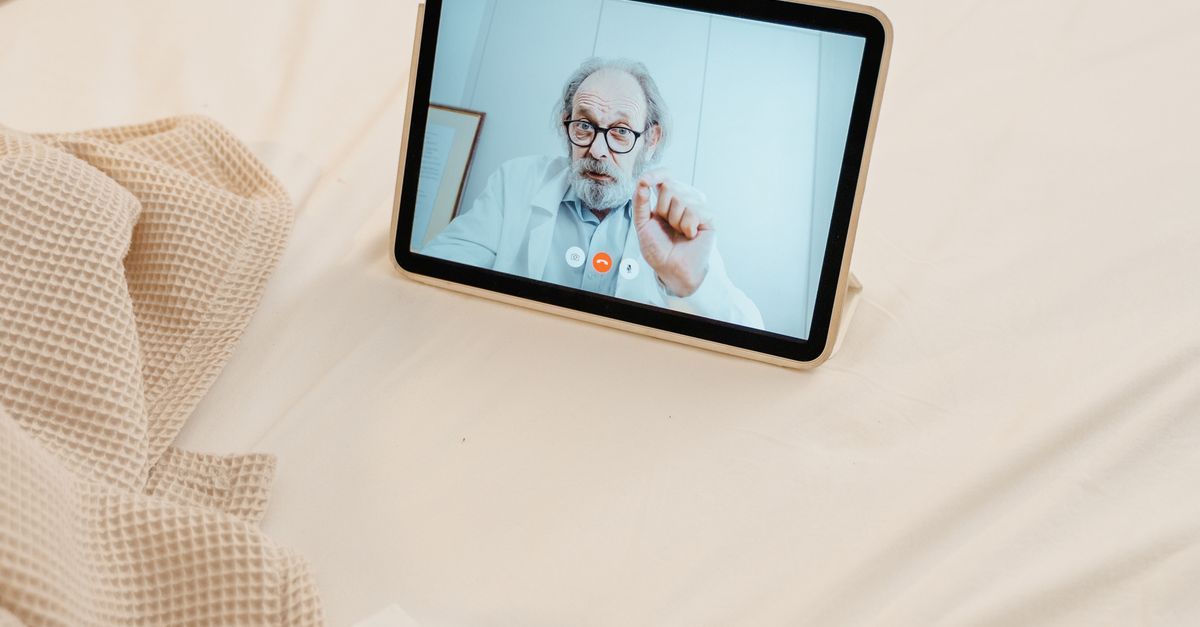
Quick answer: Many Korean clinics that treat foreign patients continue follow-up after you fly home, usually through a messaging app, email or video call. You send photos at set times, often about 1, 3, 6 and 12 months, and report concerns. Confirm before surgery who replies, how fast, for how long, and what happens if a problem needs hands-on care.
What is remote follow-up?
Remote follow-up means your Korean clinic keeps tracking your recovery after you go home. You send photos and updates. The clinic reviews them and replies with advice. It is common among clinics in Seoul that serve international patients, because most foreign patients leave about two weeks after surgery while healing continues for a year or more.
Remote follow-up is useful, but it has limits. A photo cannot show everything a surgeon learns from touching the tissue. For urgent symptoms, you need a local doctor first.
How does it usually work?
- Channel. Most clinics use messaging apps such as WhatsApp, KakaoTalk, LINE or WeChat, plus email. Some offer scheduled video calls.
- Coordinator. An international coordinator usually receives your messages, translates if needed and passes them to the surgeon or nurse.
- Schedule. Clinics often ask for photos at around one month, three months, six months and one year. Some ask more often in the first weeks.
- Advice. Replies may cover swelling, scars, massage, garment use or when to start skin treatments. The clinic may suggest you see a local doctor.
What should you confirm before surgery?
Ask these questions at consultation and keep the answers in writing:
- How long is follow-up included, and is there any fee?
- Will the operating surgeon personally review photos, or a different doctor?
- What is the usual response time? What about weekends and Korean public holidays?
- Is there an out-of-hours contact for urgent questions?
- Will the clinic send your records, in English, to a local doctor if asked?
- What is the revision policy, and who pays for surgery, travel and stay if a revision is needed?
Our full list is on the facelift consultation questions page.
How do you take useful follow-up photos?
Good photos lead to better advice. Use the same set-up each time:
- Stand facing a window in daylight. Avoid overhead lights and flash.
- Use a plain wall behind you. Tie hair back so the ears and jawline are visible.
- No makeup, filters or beauty modes.
- Take front, left and right side, and both three-quarter views at eye level.
- Add close-ups of scars or any area of concern, and a short video if asked to show movement.
These are the same rules used for pre-surgery photos. See preparing photos for an online consultation.
What should international patients know about Korea specifically?
Korea uses Korea Standard Time, nine hours ahead of UTC, with no daylight saving. Patients in North America or Europe may get replies overnight. Plan for this when you have a question.
Clinics in Gangnam often close or reduce staff during major holidays such as Seollal (Lunar New Year) and Chuseok. Ask how messages are handled then.
Clinics registered to attract foreign patients must meet government requirements, but service quality for follow-up still varies. Check whether a clinic is registered using our guide to registered foreign-patient clinics. If you used an agency, know whether follow-up goes through the agency or directly with the clinic. Direct contact is usually clearer. See using a medical tourism agency.
What can remote follow-up not do?
- It cannot treat an emergency. Sudden painful swelling, signs of infection, skin color change, breathing problems or new facial weakness need local care straight away.
- It cannot always tell normal firmness from a problem that needs drainage or treatment.
- It cannot prescribe medicines that you can collect in your home country, in most cases.
A local doctor is still essential. Read aftercare after returning home for how to set up that handover.
What if you are unhappy with the result?
Swelling can hide the final result for months. Many surgeons say to wait six to twelve months before judging. Raise concerns calmly, with photos, through the agreed channel. Ask for the surgeon's view in writing. If you cannot agree, Korea has formal dispute routes, explained in medical disputes in Korea.
This page is general information, not medical advice. Decisions about surgery should be made with a qualified, board-certified plastic surgeon after an in-person examination.
Key facts
| Common channels | Messaging apps (e.g. WhatsApp, KakaoTalk, LINE, WeChat), email, video call |
|---|---|
| Typical check-in points | Around 1, 3, 6 and 12 months (varies) |
| Who usually replies | International coordinator; surgeon reviews photos |
| Language | Usually English via coordinator or interpreter |
| Time difference | Korea Standard Time, UTC+9, no daylight saving |
| Limits | Cannot replace in-person examination for urgent problems |
| Confirm in writing | Duration, cost, response time, revision policy |
| Related guide | Aftercare at home |
Read next
Reader questions
Frequently asked questions
Do Korean clinics provide follow-up after I go home?
Many clinics that treat foreign patients do, usually by messaging app, email or video call. The length and detail vary, so confirm the arrangement in writing before surgery.
Will my surgeon reply personally?
Often a coordinator replies and the surgeon reviews your photos and gives advice through them. Ask at consultation whether the operating surgeon reviews follow-up photos.
Is remote follow-up free?
Many clinics include it in the surgery fee for a set period, but terms differ. Ask whether any visits, treatments or extended follow-up have extra costs.
How often should I send photos?
Clinics commonly ask at around one, three, six and twelve months, sometimes more often early on. Follow your clinic's schedule and send extra photos if something changes.
What should I do if I have an urgent problem at home?
Go to a local emergency service or doctor first. Then contact your Korean clinic with photos and the local findings so both teams can coordinate.
Next steps
Planning a facelift in Korea?
Compare clinics, check surgeon credentials and estimate your full trip budget before you book a consultation.
Facelift in Korea is an independent information directory. We do not perform procedures, and listings are not endorsements. This page is general information, not medical advice.