


Home › Lifting Concerns › Hollow Cheeks
Lifting Concerns
Hollow Cheeks: Treatment in Seoul, Korea
By the Facelift in Korea Editorial Desk · Independent · How we report
The short answer
Quick answer: Hollow cheeks come from fat loss in the cheek, bone changes, weight loss or genetics, and often appear with sagging. In Korea, mild hollows are treated with collagen stimulators such as Sculptra or Juvelook, or with filler. Moderate to severe hollowing is commonly corrected with fat grafting, sometimes combined with a midface lift or facelift.
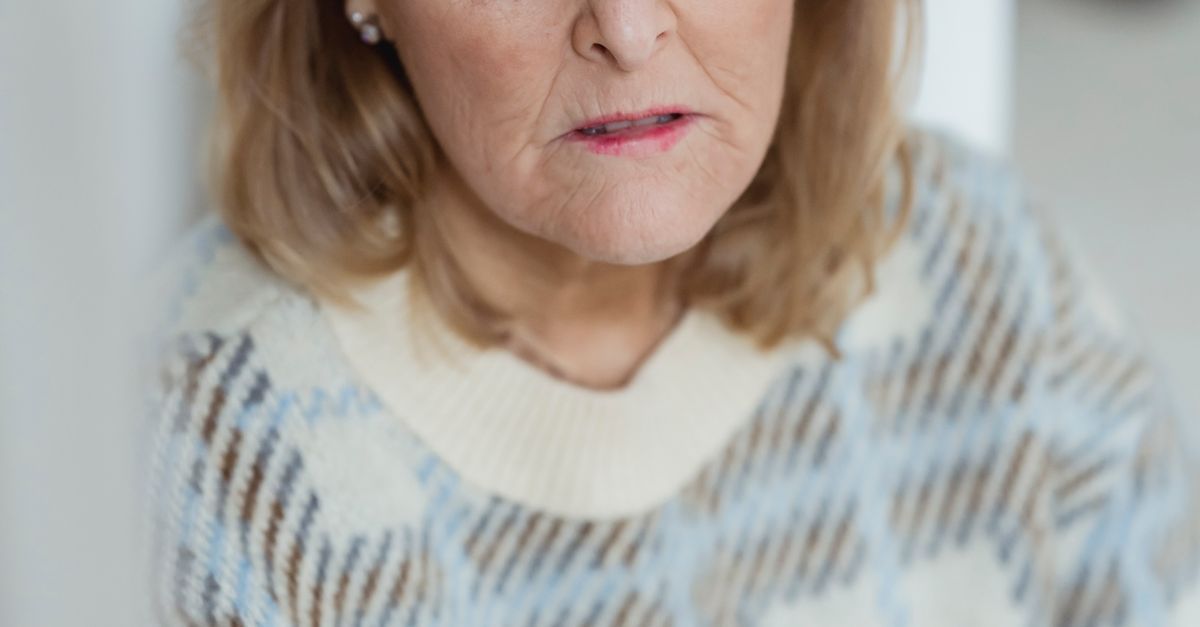
Hollow cheeks can make a face look gaunt, tired or older than it is. Some people are naturally lean in the face. Others develop hollows after weight loss, endurance sport, illness or simply aging. The good news is that volume is one of the more predictable things to restore. The challenge is doing it in a way that looks natural rather than puffy.
What causes hollow cheeks?
The cheek has several fat compartments. With age, the deeper ones shrink and the upper cheek fat descends, leaving a hollow below the cheekbone. Bone in the midface and jaw slowly recedes too. Weight loss, including rapid weight loss from medication or diet, removes facial fat quickly. Long-distance runners and very lean people often notice hollowing earlier. Genetics shape how much fat the face holds.
Hollows and sagging often happen together. As the cheek loses volume, the skin has less support and folds or droops. See cheek lifting for the descent side of the problem.
How do you judge how severe it is?
Look at your face straight on and at a 45-degree angle in even light.
- Mild: a slight dip below the cheekbone, more visible in overhead light or photos.
- Moderate: a clear concave area below the cheekbone at rest, with a flatter upper cheek.
- Advanced: deep hollowing that outlines the cheekbone and jaw, often with loose skin and folds.
If you also notice sagging jowls or deep folds, lifting may be needed in addition to volume.
What are the options, from non-surgical to surgical?
- Skin boosters: improve skin quality but add little volume.
- Collagen stimulators: Sculptra or Juvelook injected over several sessions build volume gradually. Results appear over months.
- Hyaluronic acid filler: gives immediate volume and can be adjusted or dissolved.
- Radiesse: a filler that also stimulates collagen, used in deeper planes.
- Fat grafting: your own fat, taken from the abdomen or thighs, is purified and injected. Results can be long-lasting.
- Fat grafting with a midface lift or facelift: restores volume and position together for advanced cases.
What do Korean clinics typically recommend?
Korean clinics place strong emphasis on facial volume, because a soft, full midface is seen as youthful in Korea. For mild hollows, a series of collagen stimulators is popular, often combined with skin boosters. Juvelook, a Korean product, is widely offered alongside Sculptra.
For moderate to severe hollowing, many Seoul surgeons prefer fat grafting. Some clinics promote stem-cell-enriched or nano-fat techniques. Ask what the evidence is for any enhanced fat technique and how much fat typically survives. If sagging is also present, Korean surgeons commonly combine fat grafting with a lift.
International patients should be cautious about overfilling. A face that looks right lying down in a clinic chair can look heavy when upright. Our comparison of fat grafting vs filler covers the trade-offs.
What is recovery like for each option?
- Collagen stimulators: swelling for a few days after each session; massage may be advised.
- Filler: swelling and possible bruising for 3 to 7 days.
- Fat grafting: facial swelling for 1 to 2 weeks and soreness at the donor site. Some fat is reabsorbed over the first 3 months.
- Fat grafting with a lift: bruising for 2 to 3 weeks.
How long do results last?
Hyaluronic filler typically lasts 9 to 18 months in the cheeks. Collagen stimulators can last around 2 years. Fat that survives grafting is generally long-lasting, though it changes with your body weight.
What should international patients plan for?
Collagen stimulators work best in a series spaced 4 to 6 weeks apart, which is hard on a single short trip. Ask whether one session plus home follow-up is reasonable. For fat grafting, plan about a week in Seoul and avoid pressure on your face, such as sleeping on your side, until your surgeon says it is safe.
This page is general information, not medical advice. Decisions about surgery should be made with a qualified, board-certified plastic surgeon after an in-person examination.
Key facts
| Main causes | Facial fat loss, weight loss, bone resorption, genetics, intense exercise |
|---|---|
| Mild cases | Collagen stimulators, skin boosters |
| Moderate cases | Hyaluronic acid filler, collagen stimulators, small-volume fat grafting |
| Advanced cases | Fat grafting, often with midface lift or facelift |
| Typical surgical option | Facial fat transfer |
| Typical non-surgical option | Sculptra or Juvelook series |
| Recommended stay in Korea | 1 to 3 days non-surgical; 5 to 7 days fat grafting; 10 to 14 days with lift |
| Price guide | Facial fat grafting cost in Korea |
Read next
Reader questions
Frequently asked questions
What is the best treatment for hollow cheeks?
For mild hollows, collagen stimulators or filler work well. For moderate to severe hollows, fat grafting gives longer-lasting volume. If the face is also sagging, combining fat with a lift is common.
Is fat grafting permanent?
Fat that survives the first few months is generally long-lasting. A portion is reabsorbed, so some people need a second session. Results change with weight gain or loss.
Sculptra or filler for hollow cheeks?
Filler gives instant results and can be dissolved. Sculptra builds volume slowly over months and often lasts longer. Many Korean clinics use them together.
Why do my cheeks look hollow after weight loss?
Losing weight removes fat from the face as well as the body. This can make cheeks look sunken and skin looser. Restoring volume with fat or filler can help.
How long should I stay in Seoul for fat grafting?
Most clinics suggest about 5 to 7 days for fat grafting alone. If combined with a lift, plan about 10 to 14 days.
Next steps
Planning a facelift in Korea?
Compare clinics, check surgeon credentials and estimate your full trip budget before you book a consultation.
Facelift in Korea is an independent information directory. We do not perform procedures, and listings are not endorsements. This page is general information, not medical advice.