


Home › Lifting Concerns › Turkey Neck
Lifting Concerns
Turkey Neck Treatment in Seoul, Korea
By the Facelift in Korea Editorial Desk · Independent · How we report
The short answer
Quick answer: Turkey neck is loose, hanging skin and muscle in the front of the neck, often with bands and a blunted jaw angle. It comes from skin laxity, platysma weakness and sometimes fat. Mild cases in Korea may use HIFU or RF, but true turkey neck usually needs a neck lift, often with a lower facelift.
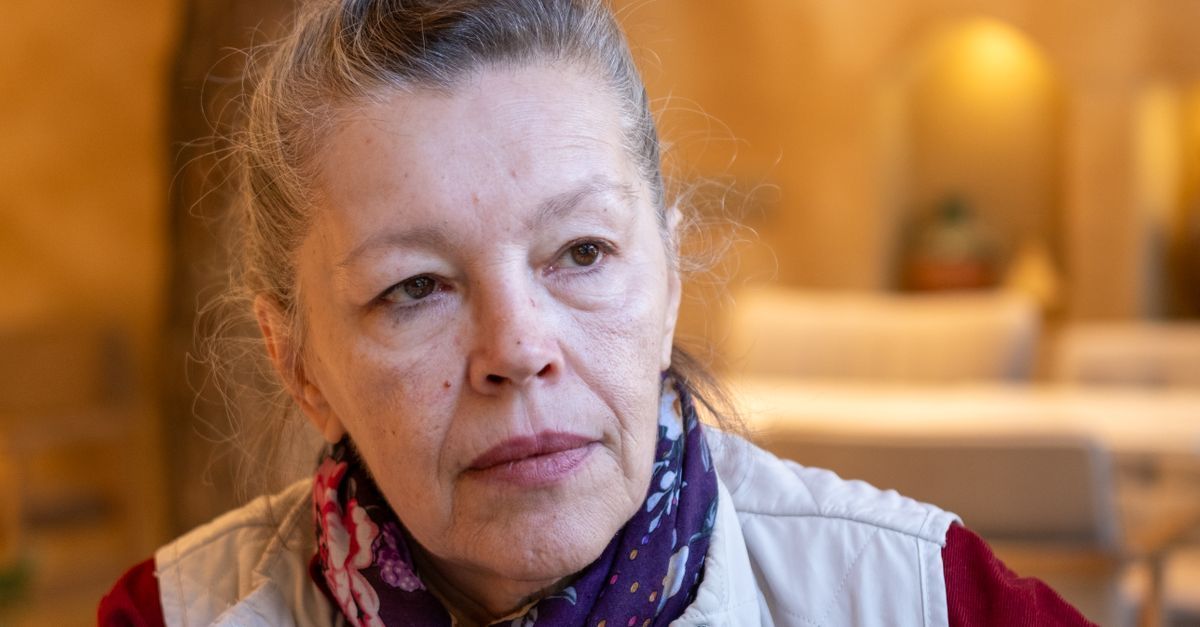
"Turkey neck" is an informal name for loose skin that hangs in a fold or wattle under the chin and down the front of the neck. It is one of the most common reasons people in their 50s and 60s consider surgery, because it is hard to hide and responds poorly to creams or devices once it is established.
What causes turkey neck?
Turkey neck combines several problems. Neck skin is thin and loses elasticity with age and sun exposure. The platysma muscle loosens and separates, adding vertical bands. Fat under the chin may increase, or the neck may lose fat and look stringy. Significant weight loss can leave excess skin that does not shrink back. Genetics also influence how early it happens.
How do you judge how severe it is?
Look at your neck from the side and from the front, with your head level.
- Mild: slight softness under the chin and early creasing. Skin still springs back when pinched.
- Moderate: visible loose skin under the chin at rest, a softened jaw angle, and faint bands.
- Advanced: a clear hanging fold or wattle, strong bands and loss of the angle between jaw and neck.
If gently pulling the skin behind your ears up and back clears the fold, a neck lift is likely to help.
What is the ladder of options for turkey neck?
- Skin boosters and RF microneedling: improve skin texture and mild crepiness.
- HIFU and RF tightening: may firm mild laxity. See Ultherapy and Thermage FLX.
- Botox for bands: softens vertical cords but does not remove loose skin.
- Threads: limited, short-term tightening in mild cases.
- Mini neck lift: tightens skin and muscle through smaller incisions in milder cases.
- Neck lift with platysmaplasty: removes excess skin and tightens the muscle. See neck lift.
- Face and neck lift together: the most common choice when jowls are present too.
What do Korean clinics typically recommend?
For established turkey neck, most Korean surgeons recommend surgery, typically a neck lift combined with a lower facelift, because the neck and jawline age together. Many Seoul clinics also offer a deep neck lift for selected patients with heavier necks. Device treatments are usually suggested only for prevention or mild laxity.
Korean surgeons often pay close attention to incision placement behind the ear and in the hairline, since many patients want to wear their hair up. Ask where your scars will be. International patients should plan a longer stay, as combined face and neck surgery has more swelling. Our guide to compression garments after facelift explains what to expect.
What is recovery like for each option?
- Skin boosters, HIFU and RF: little downtime.
- Botox: none.
- Threads: tightness for about a week.
- Neck lift or face and neck lift: drains for a day or two if used, compression garment for up to two weeks, bruising for 2 to 3 weeks, and a feeling of tightness or numbness for several weeks. Stitches out around day 5 to 10.
How long do results last?
Non-surgical treatments may slow early laxity but rarely last more than a year. A neck lift usually gives long-lasting improvement, often many years, although skin will continue to age.
Who is a good candidate for turkey neck surgery?
Good candidates are healthy, at a stable weight, non-smokers or willing to stop, and have visible loose skin that bothers them. Age alone is not a barrier. Many people in their 60s and 70s have neck lifts safely after a full medical check. See facelift in your 60s for age-specific advice.
What should you ask at your consultation?
- Will you tighten the platysma muscle, or only the skin?
- Do I need an incision under the chin as well as behind the ears?
- Should my jowls be lifted at the same time for a balanced result?
- How long should I wear the compression garment, and when can I fly?
This page is general information, not medical advice. Decisions about surgery should be made with a qualified, board-certified plastic surgeon after an in-person examination.
Key facts
| Main causes | Skin laxity, platysma muscle weakness, fat loss or gain, sun damage, age |
|---|---|
| Mild cases | HIFU, RF, skin boosters |
| Moderate cases | Threads, mini neck lift |
| Advanced cases | Neck lift with platysmaplasty, usually with facelift |
| Typical surgical option | Face + neck lift combination |
| Typical non-surgical option | HIFU with RF |
| Recommended stay in Korea | 1 to 3 days non-surgical; 12 to 14 days surgical |
| Price guide | Neck lift cost in Korea |
Read next
Reader questions
Frequently asked questions
Can turkey neck be fixed without surgery?
Mild laxity may improve slightly with HIFU, RF or skin boosters. A true hanging fold of skin usually needs a neck lift to remove it. Non-surgical results are modest.
What is the best surgery for turkey neck?
A neck lift with platysmaplasty is the standard approach. When jowls are present, combining it with a lower facelift usually gives a more balanced result.
Where are the scars after a neck lift?
Scars usually run behind the ears into the hairline and sometimes under the chin. They are designed to be hidden and usually fade over months.
How long does it take to recover from a neck lift?
Most people look socially presentable after about two to three weeks. Tightness and numbness can last several weeks longer.
Am I too old for a neck lift?
Many people in their 60s and 70s have neck lifts. Overall health matters more than age, and your surgeon will check this before surgery.
Next steps
Planning a facelift in Korea?
Compare clinics, check surgeon credentials and estimate your full trip budget before you book a consultation.
Facelift in Korea is an independent information directory. We do not perform procedures, and listings are not endorsements. This page is general information, not medical advice.