


Home › Facelift Glossary › Radiofrequency (RF)
Glossary
Radiofrequency (RF): How RF Skin Tightening Works
By the Facelift in Korea Editorial Desk · Independent · How we report
The short answer
Quick answer: Radiofrequency (RF) in aesthetics is electrical energy that heats the deeper skin and upper fat layers. The heat contracts existing collagen and stimulates new collagen, improving firmness and texture over several months. RF devices include monopolar systems such as Thermage and Oligio, and RF microneedling such as Morpheus8 and Potenza.

What is radiofrequency?
Radiofrequency is a type of electrical energy. In aesthetic medicine, RF devices pass this energy through the skin, where tissue resistance converts it into heat. Gentle, controlled heating causes collagen fibers to contract and prompts the skin to produce new collagen and elastin over the following months.
What types of RF device are there?
- Monopolar RF: energy flows from a treatment tip to a grounding pad, heating deeper tissue. Examples include Thermage and Oligio.
- Bipolar and multipolar RF: energy flows between electrodes on the handpiece, heating more superficial layers. InMode Forma is one example.
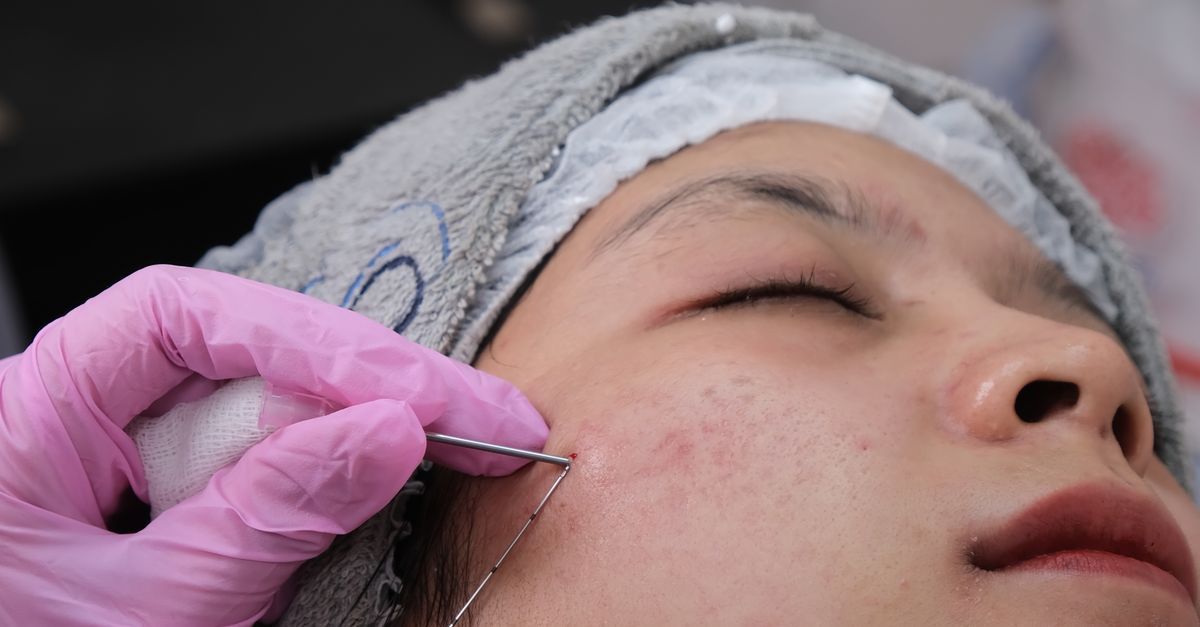
- RF microneedling: fine needles deliver RF energy directly into the skin. Examples include Morpheus8 and Potenza.
How does RF differ from HIFU?
RF heats tissue broadly, which is good for tightening and skin quality. HIFU focuses energy into deep points, which is better for lifting. Many clinics combine the two. See HIFU vs RF lifting.
Who is RF for?
RF suits people with mild laxity, crepey skin, fine lines or enlarged pores. RF microneedling can also help acne scars and texture. RF does not lift heavy jowls or remove loose skin; for those, surgery is more effective.
What are the risks?
Common effects include temporary redness, swelling and tenderness. RF microneedling causes pinpoint marks for a few days. Rare risks include burns, blisters, pigment changes and fat loss with very high settings. People with pacemakers or other implanted electronic devices may not be suitable for some RF treatments.
What should patients in Korea know?
Korea has a strong domestic device industry, and Seoul clinics offer both imported and Korean RF devices. Pricing is often by shot count or area. Ask which device and tip will be used, how many shots, and whether the tip is new and genuine. Most RF treatments fit easily into a short trip. Results develop gradually over two to six months, so judge the effect after that time. Monopolar RF is often repeated every one to two years, while RF microneedling is usually done as a course of several sessions spaced weeks apart. See RF skin tightening in Seoul.
This page is general information, not medical advice. Decisions about surgery should be made with a qualified, board-certified plastic surgeon after an in-person examination.
Key facts
| What it is | Electrical energy used to heat skin tissue |
|---|---|
| Main effect | Skin tightening, texture and collagen stimulation |
| Types | Monopolar, bipolar, multipolar, RF microneedling |
| Popular devices | Thermage, Oligio, InMode Forma, Morpheus8, Potenza |
| Best for | Crepey or loose skin, fine lines, mild laxity |
| Downtime | Minimal for surface RF; a few days for RF microneedling |
| Related terms | HIFU, SMAS |
Read next
Reader questions
Frequently asked questions
What does RF do for the skin?
RF heats the deeper skin to contract collagen and stimulate new collagen, improving firmness and texture over time.
Is RF the same as HIFU?
No. RF uses electrical energy to heat tissue broadly, while HIFU uses focused ultrasound to heat deep points. They are often combined.
How long do RF results last?
It depends on the device. Some monopolar RF treatments are repeated every one to two years; others need a course of sessions.
Is RF microneedling painful?
Numbing cream is used, and most people tolerate it well. Mild redness and pinpoint marks last a few days.
Who should avoid RF treatments?
People with pacemakers or certain implanted devices, active skin infections, or who are pregnant should discuss suitability with a doctor.
Next steps
Planning a facelift in Korea?
Compare clinics, check surgeon credentials and estimate your full trip budget before you book a consultation.
Facelift in Korea is an independent information directory. We do not perform procedures, and listings are not endorsements. This page is general information, not medical advice.