


Home › Comparisons › Facelift vs Ultherapy
Comparison
Facelift vs Ultherapy: Surgical Lift or Ultrasound Tightening?
By the Facelift in Korea Editorial Desk · Independent · How we report
The short answer
Quick answer: Ultherapy and a facelift solve different sizes of problem. Ultherapy uses microfocused ultrasound with imaging to heat tissue at set depths, which can include the SMAS. It suits mild laxity and people who want no incisions, with modest, gradual results over a few months. A facelift surgically repositions the SMAS and removes excess skin. It is the choice for moderate to advanced jowls and neck laxity. Ultherapy cannot remove skin or match a surgical lift.
Side by side
| Facelift | Ultherapy | |
|---|---|---|
| What it is | Surgery that repositions the SMAS and deep tissues and removes excess skin | Microfocused ultrasound with real-time imaging (MFU-V) that heats tissue at set depths (commonly about 1.5, 3 and 4.5 mm) to stimulate collagen and tightening |
| Best for | Moderate to advanced jowls, neck laxity, loose skin, midface descent | Mild laxity, early brow or jawline softening, maintenance after surgery |
| Not for | Mild laxity a smaller step would treat; people unfit for surgery | Heavy jowls, significant loose skin, very thin faces where fat loss is a concern |
| Anesthesia | General anesthesia, deep sedation or local with sedation | None or topical numbing; oral pain relief sometimes used, since treatment can be uncomfortable |
| Downtime | Social downtime roughly 1–3 weeks depending on technique | Usually little or none; redness, swelling or tenderness for hours to days |
| How long results last | Often many years | Results build over about 2–3 months; often reported to last around a year, so maintenance is common |
| Main risks | Hematoma, nerve injury (rare), numbness, scarring, asymmetry | Discomfort, temporary swelling, bruising, welts, rare temporary nerve irritation or numbness |
| Indicative cost in Korea | Commonly about $5,000–$14,000 USD for surgery; varies widely | A small fraction of surgery per session; varies with number of lines and areas treated |
How does Ultherapy work compared with a facelift?
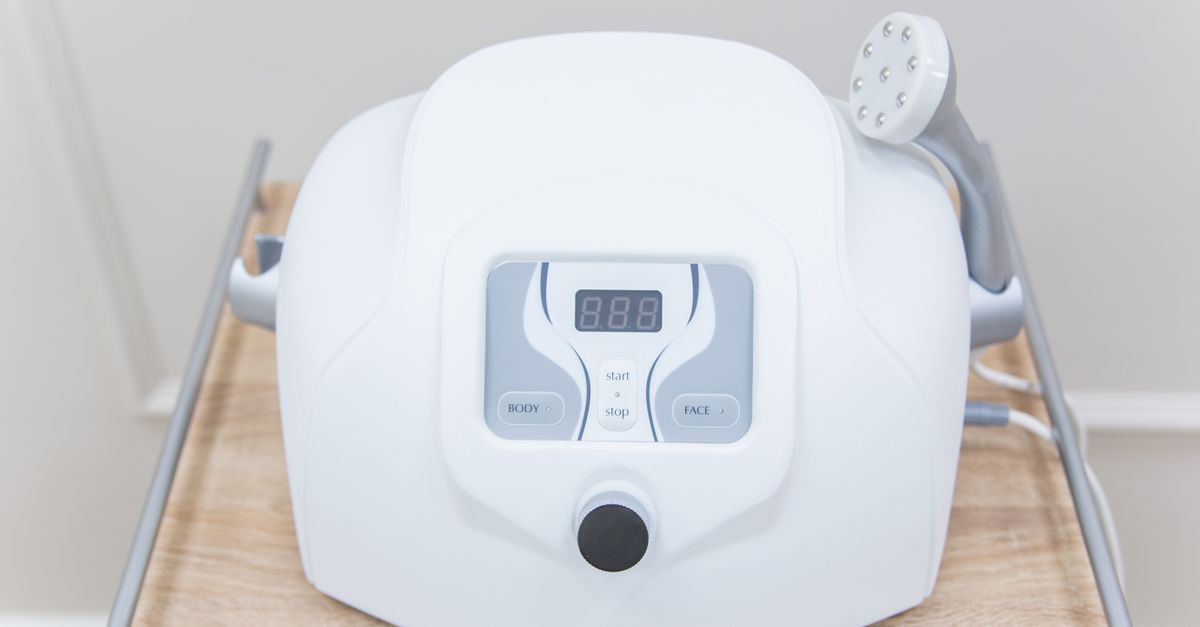
Ultherapy is a brand of microfocused ultrasound with visualization (MFU-V). The handpiece shows an ultrasound image so the operator can see the tissue layers, then delivers tiny points of heat at fixed depths. Different transducers reach roughly 1.5, 3 and 4.5 mm, and the deepest can reach the SMAS. Heat triggers collagen remodeling and contraction over the following months. In the US, the device is FDA-cleared for lifting the brow and lax skin under the chin and on the neck, and for improving lines on the chest. A facelift physically lifts the SMAS and redrapes and trims skin, so the change is immediate and much larger.
How much lift can Ultherapy give?
Expect a modest effect: a slightly sharper jawline, mild brow lift or firmer under-chin skin. It does not move dropped cheek fat back into place or remove skin. Results vary from person to person, and some people see little change. Studies generally show the best results in people with mild laxity and reasonable skin quality, and most were small, so treat promised results with caution. If your jowls hang below the jawline, a facelift or neck lift is usually what makes the difference. See surgical vs non-surgical facelift for the bigger picture.
What does each cost in Korea?
Korea is known for competitive pricing on energy-based devices, and an Ultherapy session there usually costs a small fraction of a facelift. Price depends on the number of lines (shots), the areas treated and whether the clinic uses genuine, new cartridges. Indicative surgical facelift quotes in Korea commonly fall around $5,000–$14,000 USD before travel. Repeated device sessions over many years can add up. Compare the cost per year of result, not the single price. See the Korea cost overview.
Is Ultherapy safe?
For suitable patients it has a good safety record. Common effects are discomfort during treatment and temporary redness, swelling, tenderness or bruising. Less common problems include raised welts, temporary numbness or nerve irritation, and occasional pigment change. Some doctors worry about fat loss in already thin faces when deep settings are used aggressively. Ask who will treat you, whether the device and cartridges are genuine, and how many lines will be used. Facelift risks are those of surgery: hematoma, infection, numbness, scarring and, rarely, nerve weakness. Choose a board-certified plastic surgery specialist.
How do travel and stay differ?
Ultherapy fits a short trip, since most people return to normal activities the same day. A full facelift needs about 10–14 days in Korea, and a mini lift 7–10, before flying home. After surgery, arrange a local doctor for follow-up and know the urgent signs: rapidly expanding swelling, breathing difficulty, spreading redness or fever, darkening skin.
Can I combine them?
Yes. Some people use Ultherapy in their 30s and 40s to delay surgery, and some use it a year or more after a facelift to maintain skin firmness. Tell your surgeon about previous device treatments, since heavy repeated treatment may affect tissue planes. Many surgeons suggest waiting several months after a facelift before any energy-based treatment, until swelling and numbness have settled, so ask your surgeon for their timing.
A sensible order is often: decide first whether your main problem is skin quality, mild laxity or true sagging. Devices help the first two. Surgery is for the third.
Reasons to choose a facelift
- Clear jowls, neck bands or loose skin.
- You want a visible, longer-lasting change from one procedure.
- You have tried devices and the effect was too small or too short.
- You can take surgical downtime and a 10–14 day stay.
Reasons to choose Ultherapy
- Mild laxity and good skin, and you want a subtle firming.
- No incisions, anesthesia or real downtime.
- You want maintenance between or after surgical treatments.
- You accept gradual, modest results that need repeating.
This page is general information, not medical advice. Decisions about surgery should be made with a qualified, board-certified plastic surgeon after an in-person examination.
Reader questions
Frequently asked questions
Does Ultherapy reach the same layer as a facelift?
The deepest transducer can heat the SMAS, which a facelift repositions. Heating tightens tissue slightly; it does not lift and fix it in a new position like surgery.
How long until I see results from Ultherapy?
Some firmness may show early, but most change develops over about 2–3 months as collagen remodels.
Does Ultherapy hurt?
Many people find it uncomfortable, especially over bone. Clinics may use topical numbing, cooling or oral pain relief.
Is Ultherapy the same as HIFU?
Ultherapy is a brand of microfocused ultrasound with imaging. HIFU is the wider category, and many other devices, including several Korean ones, use similar principles.
Can Ultherapy make my face look thinner?
Some people notice slight slimming. In already thin faces, aggressive deep treatment may risk fat loss, so ask how settings are chosen.
Next steps
Planning a facelift in Korea?
Compare clinics, check surgeon credentials and estimate your full trip budget before you book a consultation.
Facelift in Korea is an independent information directory. We do not perform procedures, and listings are not endorsements. This page is general information, not medical advice.