


Home › Facelift Glossary › Malar Fat Pad
Glossary
Malar Fat Pad: The Cheek Fat That Shapes a Youthful Midface
By the Facelift in Korea Editorial Desk · Independent · How we report
The short answer
Quick answer: The malar fat pad is a triangular cushion of fat that sits over the cheekbone in the upper cheek. With age it descends and loses volume, flattening the cheek, hollowing the under-eye area and deepening the nasolabial fold. Midface lifts, deep plane facelifts and fat grafting can reposition or restore it.
What is the malar fat pad?
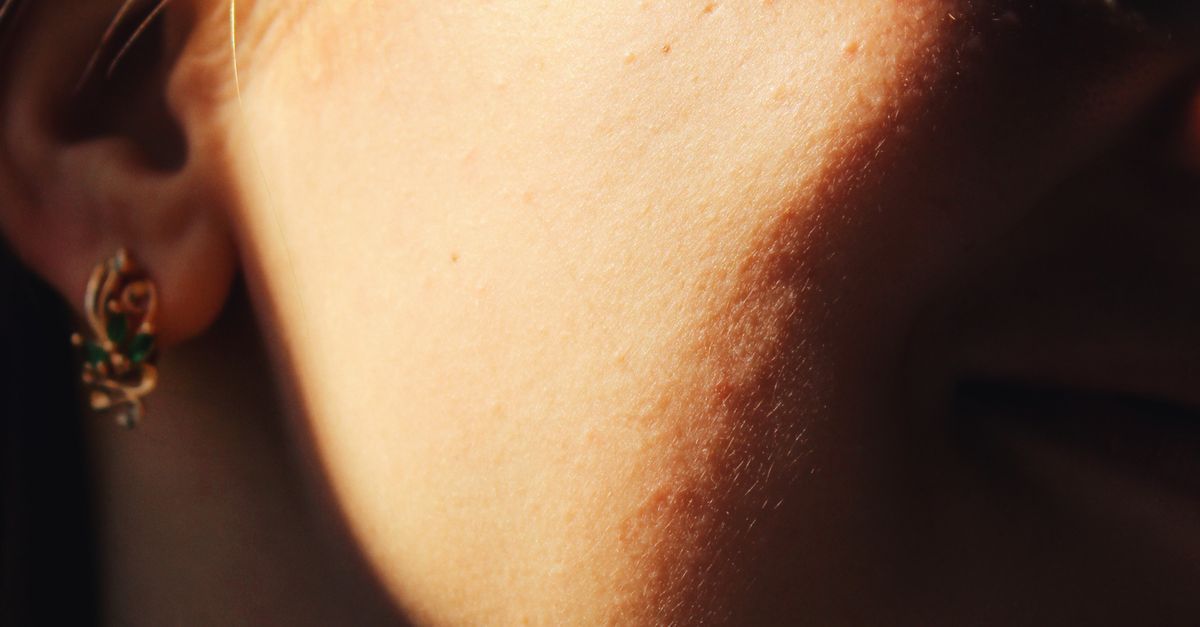
The malar fat pad is one of the superficial fat compartments of the face. It lies over the cheekbone (the malar or zygomatic bone), just below the lower eyelid. In youth it is full and high, giving the cheek a rounded, lifted look sometimes described as the "apple" of the cheek.
What happens to it with age?
Over time, the support around the malar fat pad weakens, and the pad slides downward and inward. At the same time, it and the deeper fat beneath it lose volume. This combination causes several familiar signs:
- A flatter, less defined cheek; see flat or descended midface.
- A more visible lid-cheek junction and tear trough hollow.
- Tissue piling up above a deeper nasolabial fold.
How is it treated?
There are two main strategies: repositioning and refilling.
- Repositioning: a midface lift or deep plane facelift lifts the fat pad back toward its youthful position. Releasing the zygomatic ligaments helps the cheek move.
- Refilling: fat grafting, hyaluronic acid filler or collagen stimulators restore volume.
- Both: many surgeons combine lifting and fat grafting for a natural result.
Threads can lift the cheek slightly for a temporary effect in milder cases.
What should patients in Korea know?
A full, smooth midface is central to the youthful look many Seoul surgeons aim for. Korean clinics often combine midface lifting with fat grafting, especially for East Asian faces, which can have a flatter midface structure to begin with. Ask whether your cheek needs lifting, volume or both, and how the plan will affect the under-eye area. See cheek lifting for more options.
Can the malar fat pad be overcorrected?
Yes. Overfilling the cheek or lifting it too far can look unnatural or create a "pillow face". Good planning restores the cheek's shape in proportion to the rest of the face. Bringing photos of yourself from ten or fifteen years ago can help your surgeon understand your natural cheek shape and aim for a result that looks like a refreshed version of you.
This page is general information, not medical advice. Decisions about surgery should be made with a qualified, board-certified plastic surgeon after an in-person examination.
Key facts
| Location | Over the cheekbone, below the lower eyelid |
|---|---|
| Shape | Roughly triangular, thicker toward the nose |
| Aging change | Descends and deflates |
| Visible effects | Flat cheek, under-eye hollow, deeper nasolabial fold |
| Surgical options | Midface lift, deep plane facelift |
| Volume options | Fat grafting, filler, collagen stimulators |
| Related terms | Nasolabial fold, Fat grafting |
Read next
Reader questions
Frequently asked questions
What is the malar fat pad?
It is a cushion of fat over the cheekbone that gives the upper cheek its fullness and shape.
Why does the malar fat pad drop?
Supporting ligaments and tissues weaken with age, so the fat pad slides downward and loses volume.
Can a facelift lift the malar fat pad?
Midface and deep plane techniques can reposition it. A standard lower facelift has a more limited effect on the cheek.
Is fat grafting good for the malar area?
Fat grafting is commonly used to restore cheek volume and can last many years if the fat survives.
Does malar fat pad descent cause eye bags?
It contributes to a visible under-eye hollow and lid-cheek junction, which can make eye bags look more prominent.
Next steps
Planning a facelift in Korea?
Compare clinics, check surgeon credentials and estimate your full trip budget before you book a consultation.
Facelift in Korea is an independent information directory. We do not perform procedures, and listings are not endorsements. This page is general information, not medical advice.