


Home › Comparisons › Facelift in Korea vs the UK
Comparison
Facelift in Korea vs the UK: Cost, Safety and Recovery Compared
By the Facelift in Korea Editorial Desk · Independent · How we report
The short answer
Quick answer: A private facelift in the UK typically costs more than the surgery fee in Korea, but staying in the UK keeps your surgeon within easy reach for follow-up and puts you inside a regulatory system you already understand. Korea suits UK patients who can take about two weeks away, want a surgeon experienced with deep-tissue techniques, and are willing to plan aftercare carefully. The UK suits people who value continuity of care, have health conditions needing close follow-up, or cannot spend a long period abroad.
Side by side
| Korea | UK | |
|---|---|---|
| Typical facelift price range (indicative, USD) | About $5,000–$14,000; deep plane often higher | About $10,000–$20,000 privately; London often at the upper end |
| What quotes usually include | Varies: often surgery, anesthesia and a few follow-ups; some packages add stay or transfers | Usually surgeon, anesthetist and hospital fees, sometimes quoted separately; follow-up visits often included |
| Surgeon credential to check | Board-certified plastic surgery specialist (성형외과 전문의); KSPRS membership | GMC Specialist Register entry in plastic surgery; BAAPS or BAPRAS membership is a useful extra signal |
| Regulator / complaint route | Clinic first, then Korea Medical Dispute Mediation and Arbitration Agency (K-medi) | Clinic or hospital first; GMC for doctor conduct; CQC (England) or devolved regulators for hospitals; ISCAS covers many private providers |
| Typical stay needed | About 10–14 days for a full facelift; 7–10 for a mini lift | No travel stay; usually home within a day or two |
| Flight time from the UK | Roughly 12–14 hours direct London–Seoul (routing varies) | None |
| Language support | English often available at clinics serving foreign patients; ask about interpreters | Native English |
| Aftercare after you fly home | Remote follow-up; complications handled by your GP, NHS urgent care or a UK private surgeon | Same surgeon sees you through recovery |
| Best suited to | Flexible schedules, careful planners, interest in deep-tissue techniques | Those who want local continuity of care or have medical complexity |
Is a facelift cheaper in Korea or the UK?
On the surgery fee alone, Korea is usually cheaper. Indicative market ranges are roughly $5,000–$14,000 in Korea (deep plane techniques tend to sit at the higher end) and about $10,000–$20,000 for a private facelift in the UK. These are broad figures, not quotes: the real price depends on the technique, whether a neck lift or fat grafting is added, the surgeon's experience and what is bundled in.
The gap shrinks once you add the trip. For Korea, budget for return flights, 10–14 nights of accommodation, meals, local transport, possible interpreter fees, travel insurance that actually covers elective surgery, and time off work. UK quotes usually already include the hospital stay and follow-up appointments. Our total facelift trip budget guide and the Korea facelift cost overview cover the items people often forget.
- Ask both clinics for an itemized quote: surgeon, anesthesia, facility, garments, medicines and follow-up.
- Check what happens, and who pays, if a revision or a hematoma drainage is needed.
How do surgeon credentials compare in Korea and the UK?
In the UK, the key check is the GMC Specialist Register: a surgeon performing facelifts should be listed as a specialist in plastic surgery or a related facial surgery specialty. Membership of BAAPS or BAPRAS is a further signal, though not a guarantee.
In Korea, confirm that the operating doctor is a board-certified plastic surgery specialist (성형외과 전문의), not simply a licensed doctor who performs cosmetic work, and ideally a member of the Korean Society of Plastic and Reconstructive Surgeons (KSPRS). Ask directly who will perform each part of the operation, because ghost surgery, where a different doctor operates, is a known risk. Our guide to choosing a facelift surgeon in Korea lists the documents to request.
Is it safer to have a facelift in Korea or the UK?
Both countries have experienced, well-trained plastic surgeons and both have practitioners you should avoid. Safety depends far more on the individual surgeon, the anesthesia setup and the facility than on the country.
Korea has one safeguard UK patients may not expect: since September 2023, operating rooms performing procedures under general anesthesia or sedation must have CCTV, and patients can request recording. In England, independent hospitals are registered with the Care Quality Commission, with equivalent bodies in Scotland, Wales and Northern Ireland, and inspection reports are public. For most UK patients the practical difference is distance: if something goes wrong, being a short drive from your surgeon is a real advantage.
How long do I need to stay in Korea after a facelift?
Plan on about 10–14 days in Korea after a full facelift, and around 7–10 days after a mini lift. That window usually covers drain and suture removal and a check that swelling is settling before a long-haul flight. Direct London–Seoul flights take roughly 12–14 hours depending on routing. See flying after a facelift.
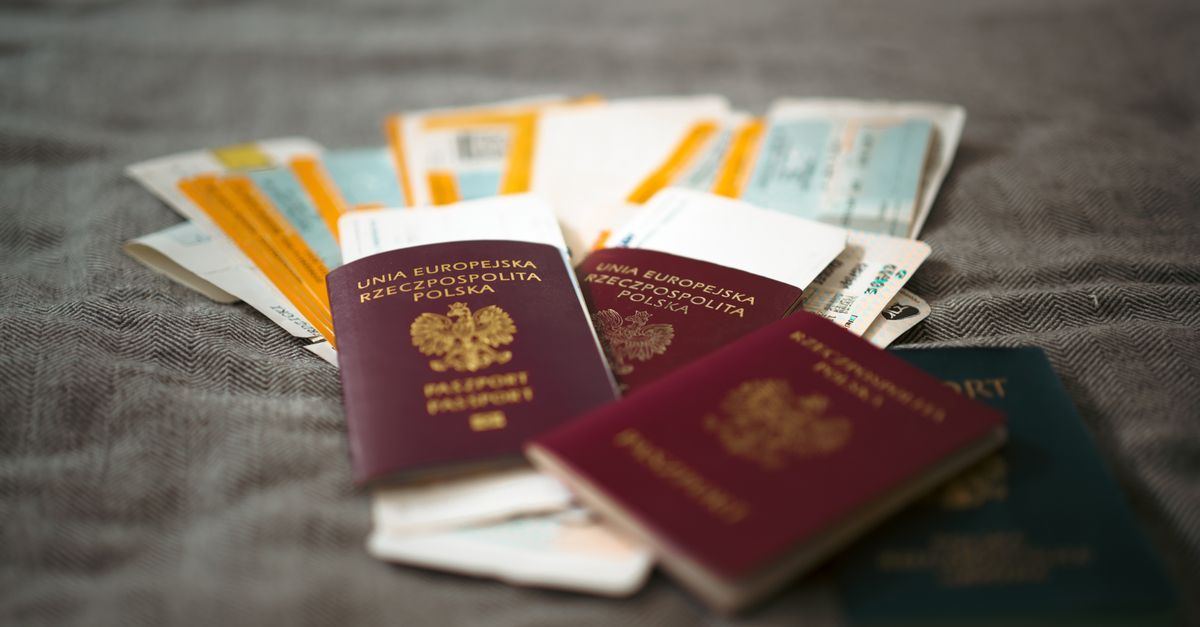
Entry requirements for UK passport holders, including K-ETA, can change, so check the official K-ETA website or the Korean embassy before booking.
What happens with aftercare once I am back in the UK?
This is the biggest practical difference. After a UK facelift, your surgeon typically sees you at intervals over several months. After a Korean facelift, follow-up usually moves to video calls and photos.
- Ask the Korean clinic for a written operation summary in English, listing technique, sutures and medicines.
- Tell your GP about the plan before you travel.
- Rapidly expanding swelling, breathing difficulty or spreading redness with fever need NHS urgent care or A&E, whatever the clinic says by message.
- Find out whether a UK private surgeon would assess you if needed, and at what cost.
Reasons to choose Korea
- Lower surgery fees for comparable techniques, even after travel costs for many people.
- High procedure volumes and wide experience with deep plane and SMAS techniques, and with Asian facial anatomy.
- Clinics set up for international patients, often with coordinators and recovery support.
Reasons to choose the UK
- Continuity of care with the same surgeon through the whole recovery.
- Familiar complaint routes, contracts and consumer protections.
- No long-haul flight while swollen, and less time away from work and family.
- Easier management if you have conditions such as high blood pressure or take blood thinners.
This page is general information, not medical advice. Decisions about surgery should be made with a qualified, board-certified plastic surgeon after an in-person examination.
Reader questions
Frequently asked questions
Is a facelift in Korea much cheaper than in the UK?
The surgery fee is usually lower in Korea, but flights, two weeks of accommodation and time off narrow the gap. Compare full itemized quotes and total trip costs, not headline prices.
Will the NHS treat complications from a facelift abroad?
The NHS provides emergency care to anyone who needs it, including for complications of surgery abroad. It does not usually fund cosmetic revisions, so ask your Korean clinic how they handle corrections.
How do I check a UK surgeon is qualified?
Search the GMC register and confirm the surgeon is on the Specialist Register in plastic surgery or a relevant facial surgery specialty. Then ask how many facelifts they perform each year.
How do I check a Korean surgeon is qualified?
Ask for proof that the operating doctor is a board-certified plastic surgery specialist (성형외과 전문의) and check KSPRS membership. Confirm in writing who will perform the surgery.
When can I fly back to the UK after a facelift in Korea?
Most people stay about 10–14 days after a full facelift. Your surgeon should clear you to fly after checking swelling and wound healing.
Next steps
Planning a facelift in Korea?
Compare clinics, check surgeon credentials and estimate your full trip budget before you book a consultation.
Facelift in Korea is an independent information directory. We do not perform procedures, and listings are not endorsements. This page is general information, not medical advice.