


Home › Patient Guides › Korea Medical Visa (C-3-3)
Patient Guides
Korea Medical Visa (C-3-3) Explained for Facelift Patients
By the Facelift in Korea Editorial Desk · Independent · How we report
The short answer
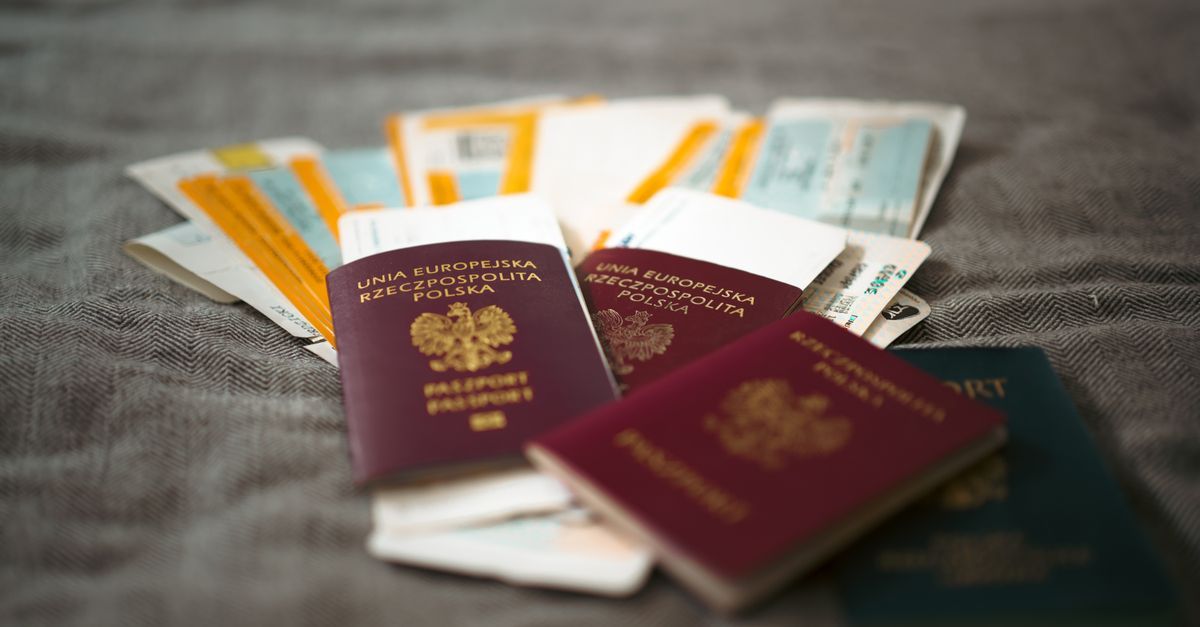
Quick answer: The C-3-3 is Korea's short-term medical tourism visa for treatment stays of up to 90 days, including cosmetic surgery. Many facelift patients do not need it, because their nationality allows visa-free entry for short stays. Patients from countries that need a visa usually apply at a Korean embassy or consulate with an appointment letter from a Korean medical institution. Requirements vary by nationality.
What is the C-3-3 medical visa?
The C-3-3 is a short-term visa category that Korea created for people who travel to receive medical treatment. It covers stays of up to 90 days, which is more than enough for a facelift, consultation and recovery. Cosmetic and plastic surgery are included. For treatment that lasts longer than 90 days, Korea uses a separate long-stay status known as G-1-10, which is usually only relevant for serious illness or rehabilitation, not for a facelift.
Korea introduced the medical tourism visa to make it easier for patients from countries without visa-free access to come for treatment. A family member or caregiver can often apply for an accompanying visa as well, but the conditions depend on the embassy and your relationship to the patient.
Do I need a medical visa for a facelift in Korea?
For many readers, no. Korea allows visa-free entry for short stays to citizens of a large number of countries, including the United States, Canada, the United Kingdom, Australia, most of the European Union, Singapore and Japan. A typical facelift trip of two to three weeks fits within these visa-free periods. These travelers may instead need a K-ETA (Korea Electronic Travel Authorization), unless their nationality is exempt. Our guide to K-ETA and visa-free entry for medical tourists explains the current rules for 2026.
You are more likely to need a C-3-3 or another visa if:
- Your nationality does not have visa-free access to Korea.
- You plan to stay longer than your visa-free period allows.
- Your K-ETA was refused, or you have had immigration issues in Korea before.
Rules differ by country and can change at short notice. Always confirm with the Korean embassy or consulate that serves your country before booking surgery.
What documents are usually required?
Exact lists are set by each Korean embassy, but applications for a medical tourism visa commonly include:
- A completed visa application form, passport and photo.
- An appointment confirmation or invitation letter from the Korean hospital or clinic, describing the planned treatment.
- A copy of the medical institution's registration documents.
- Proof that you can pay for treatment and your stay, such as bank statements.
- Proof of your ties to home, such as an employment letter.
Some embassies require documents to be recently issued, for example within the past three months. Clinics that are officially registered to attract foreign patients are used to preparing invitation letters. Some registered institutions and facilitators can also help with a visa issuance confirmation application in Korea, which you then take to the embassy. See registered foreign-patient clinics in Korea for why registration matters.
How does the medical visa work in practice for patients in Seoul?
Most Seoul clinics with an international department will tell you early whether your nationality is likely to need a visa. They usually ask for your passport details and planned dates, then send an invitation letter after you confirm surgery and pay a deposit. Processing times vary from a few days to several weeks, so start early. Patients from Central Asia, Mongolia, Vietnam and the Philippines often go through this process. Country pages such as patients from Kazakhstan, Vietnam and the Philippines give extra context.
- Do not pay a large non-refundable deposit until you know the visa is likely.
- Keep copies of your invitation letter and clinic contact details when you travel. Immigration officers may ask about the purpose of your visit.
- Your visa allows entry for treatment; it does not replace travel insurance.
Can I extend my stay if my recovery takes longer?
If a complication means you need to stay longer than your visa or visa-free period allows, speak to your clinic straight away. Extensions are handled by Korean immigration offices, and a letter from the treating doctor is normally required. Do not overstay without permission, as this can affect future travel to Korea. Planning a realistic stay from the start helps; see how long to stay in Korea after a facelift.
Where can I check the official rules?
The most reliable sources are the Korean embassy or consulate in your country, the Korea Visa Portal run by the Korean government, and Medical Korea, the government-backed information service for international patients. Agencies and blogs can be helpful, but rules change, so treat official sources as final.
This page is general information, not medical advice. Decisions about surgery should be made with a qualified, board-certified plastic surgeon after an in-person examination.
Key facts
| Visa type | C-3-3 Medical Tourism (short-term) |
|---|---|
| Maximum stay | Up to 90 days |
| Longer treatment | G-1-10 status for treatment beyond 90 days |
| Where to apply | Korean embassy or consulate; some steps via the Korea Visa Portal |
| Key document | Appointment or invitation letter from a Korean medical institution |
| Who may not need it | Visa-exempt nationals on short trips (K-ETA rules apply) |
| Official sources | Korean embassy in your country, Korea Visa Portal, Medical Korea |
Read next
Reader questions
Frequently asked questions
Is the C-3-3 visa required for cosmetic surgery in Korea?
Only if your nationality cannot enter Korea visa-free, or you plan to stay longer than your visa-free period. Many Western and Asian nationalities can come for a facelift without a visa.
How long can I stay on a C-3-3 medical visa?
The C-3-3 covers stays of up to 90 days. Longer treatment uses a different status, G-1-10.
Can my companion get a visa too?
Accompanying family members or caregivers can often apply, but conditions vary by embassy. Ask the Korean embassy what documents prove the relationship.
Who provides the invitation letter?
The Korean hospital or clinic where you plan treatment, usually after you confirm a date. Registered foreign-patient clinics are used to this process.
How long does a medical visa take to process?
It varies by embassy and season, from several days to a few weeks. Apply as early as your clinic can provide documents.
Next steps
Planning a facelift in Korea?
Compare clinics, check surgeon credentials and estimate your full trip budget before you book a consultation.
Facelift in Korea is an independent information directory. We do not perform procedures, and listings are not endorsements. This page is general information, not medical advice.