


Home › Comparisons › Facelift in Korea vs Israel
Comparison
Facelift in Korea vs Israel: Cost, Safety and Recovery Compared
By the Facelift in Korea Editorial Desk · Independent · How we report
The short answer
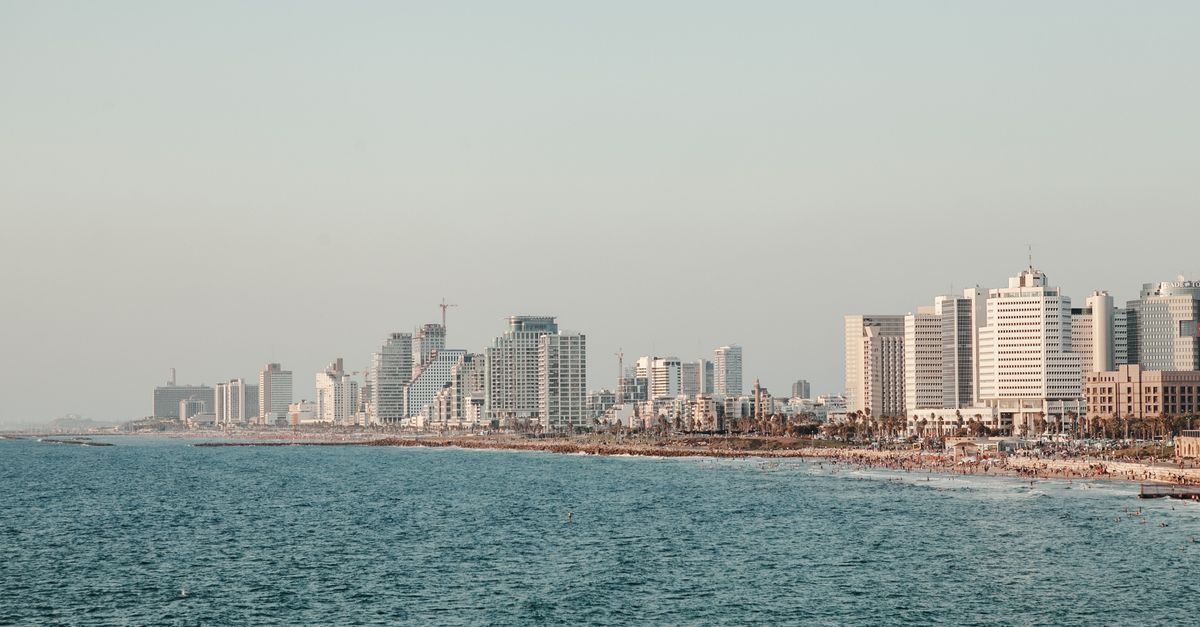
Quick answer: For Israeli residents, a facelift at home means a public specialist register, Hebrew-speaking care and easy follow-up, though private prices are often comparable to or higher than Korea. Korea requires a long trip but offers a large pool of surgeons focused on facelifts, particularly deep plane and neck surgery, often at a competitive fee. Israel suits patients who value close follow-up and familiar language; Korea suits those wanting a high-volume facelift specialist and who can stay about two weeks.
Side by side
| South Korea | Israel | |
|---|---|---|
| Typical facelift price range (indicative, USD) | About $5k–$14k; deep plane higher | Private prices often comparable to or higher than Korea; confirm with the surgeon |
| What quotes usually include | Surgery, anesthesia, first check-ups; packages vary | Surgeon fee plus private hospital and anesthesia; ask for a total |
| Surgeon credential to check | Board-certified plastic surgery specialist (성형외과 전문의); ideally a KSPRS member | Listed as a specialist in plastic and aesthetic surgery on the Ministry of Health registry; Israeli Association of Plastic and Aesthetic Surgery membership |
| Regulator / complaint route | Korea Medical Dispute Mediation and Arbitration Agency (K-medi); operating-room CCTV on request | Ministry of Health complaint channels; Israel Medical Association for ethics; confirm current route |
| Typical stay needed | About 10–14 days (mini lift 7–10) | Home-based recovery for residents |
| Flight time from (main source market) | Roughly 11–12 hours from Tel Aviv when direct flights operate | Home country for Israeli patients |
| Language support | English, Chinese, Japanese coordinators; Hebrew rare | Hebrew, English, Arabic and Russian common |
| Aftercare after you fly home | Online follow-up; arrange a local surgeon | In-person follow-up with your own surgeon |
| Best suited to | Specialist cases; patients able to travel | Residents prioritizing familiar care and follow-up |
Is a facelift cheaper in Israel or Korea?
For Israeli patients, private facelift fees at home are often comparable to or higher than in Korea, where surgical facelifts are commonly quoted at about $5,000 to $14,000 (deep plane higher). Israeli quotes usually combine a surgeon's fee with private hospital and anesthesia charges, so ask for a single estimated total. Korea's fee advantage shrinks once you add flights, about two weeks of accommodation, a companion and time away from work. Use our total trip budget guide and Korea cost overview to compare honestly.
Ask both sides what is excluded: blood tests, an extra night, garments, medicines and any revision surgery.
How do safety and regulation compare?
In Korea, check that your surgeon is a board-certified plastic surgery specialist (성형외과 전문의), ideally a member of the Korean Society of Plastic and Reconstructive Surgeons (KSPRS). Patients having surgery under general anesthesia or sedation can request CCTV recording of the operation, and disputes can go to the Korea Medical Dispute Mediation and Arbitration Agency (K-medi). Ask who will actually operate, because ghost surgery is a known risk.
Israel makes checking straightforward. The Ministry of Health's public practitioner registry lists each doctor's licence and recognized specialties; for a facelift, look for plastic and aesthetic surgery listed with specialist status, not general practice or another specialty. Membership of the Israeli Association of Plastic and Aesthetic Surgery is a further useful check. Confirm both before booking, as registries are updated over time.
Which has more facelift experience?
Israel has well-trained plastic surgeons, many with fellowship experience abroad, and some focus heavily on facial aging. Korea has a much larger number of surgeons concentrating on facelifts day to day, including deep plane and deep neck lift surgery. For either, ask how many facelifts the surgeon performs a year and see unedited results of faces like yours.
Style is worth discussing. Korean surgeons often aim for a soft, natural contour shaped by experience with Asian faces; Israeli surgeons may follow Western norms. Bring reference photos and ask how each would handle your neck and jawline.
How long should I stay, and how far is it?
Plan about 10 to 14 days in Korea after a full facelift, or 7 to 10 for a mini lift, before a long flight. Direct flights between Tel Aviv and Seoul have operated at times, but schedules change; connections add hours. Check the official K-ETA site or Korean embassy for current entry rules. Walk regularly, stay hydrated and follow your surgeon's advice on compression to lower blood clot risk on long flights.
What about aftercare once I am home?
Having surgery in Israel means your surgeon can see you within days if swelling, a hematoma or a wound issue needs attention. After surgery in Korea, follow-up is mostly online, so agree response times and revision terms in writing and arrange a local plastic surgeon willing to see you. Check whether your insurance covers complications from cosmetic surgery abroad.
Reasons to choose Korea
- A deep pool of facelift-focused specialists.
- Fees that can be competitive with Israeli private care.
- CCTV rights and a dedicated dispute agency.
Reasons to choose Israel
- A public registry that shows specialist status.
- Care in Hebrew and other familiar languages.
- Easy in-person follow-up and revision.
- No long-haul flight while healing.
This page is general information, not medical advice. Decisions about surgery should be made with a qualified, board-certified plastic surgeon after an in-person examination.
Reader questions
Frequently asked questions
How do I check a plastic surgeon in Israel?
Search the Ministry of Health practitioner registry and confirm plastic and aesthetic surgery is listed with specialist status. Membership of the Israeli Association of Plastic and Aesthetic Surgery is an added check.
Is a facelift cheaper in Korea than in Israel?
The surgical fee can be lower in Korea, but travel, a two-week stay and a companion often narrow the gap.
Are there direct flights from Israel to Korea?
Direct services have operated at times, but schedules change. Check current airline timetables.
Will a Korean surgeon speak Hebrew?
Rarely. Most hospitals work through English-speaking coordinators, so confirm interpretation in advance.
Who looks after me if there is a problem at home?
Arrange a local plastic surgeon before you travel and bring your operation notes and medication list in English.
Next steps
Planning a facelift in Korea?
Compare clinics, check surgeon credentials and estimate your full trip budget before you book a consultation.
Facelift in Korea is an independent information directory. We do not perform procedures, and listings are not endorsements. This page is general information, not medical advice.